Traditional Thai Massage in Bangkok: A Practical Guide
How nuad phaen boran actually works, what a real session feels like, what to pay in Bangkok, and the small etiquette details that separate a good shop from a tourist trap.

What traditional Thai massage actually is
Nuad phaen boran is roughly 2,500 years old, a hybrid of Indian Ayurvedic theory and Thai temple medicine that was codified at Wat Pho in central Bangkok. It is performed on a firm futon on the floor, fully clothed, with no oil. The therapist uses thumbs, palms, elbows, knees and feet to work the sen energy lines, and walks you through a long sequence of assisted stretches that look unmistakably like passive yoga. The pace is slow. The pressure is rarely gentle.
If you came expecting a candlelit oil rub, this is the wrong treatment. If you came because your hips are locked from a fourteen-hour flight, you picked correctly.
What happens in a session
You change into loose cotton pyjamas the shop provides. Your feet are washed. You lie face-up and the therapist starts at the feet, climbs the legs, opens the hips, works the back and shoulders, then sits you up for stretches and finishes at the neck and scalp. Ninety minutes is the sweet spot. Sixty feels rushed once you have tried longer. A two-hour session at the right shop is one of the genuine bargains left in travel.
Two phrases earn their weight in gold: bao bao for softer, naeng naeng for firmer. The end of the session sometimes includes a back or neck crack. You can decline, and a good therapist will ask first.
What it costs in Bangkok
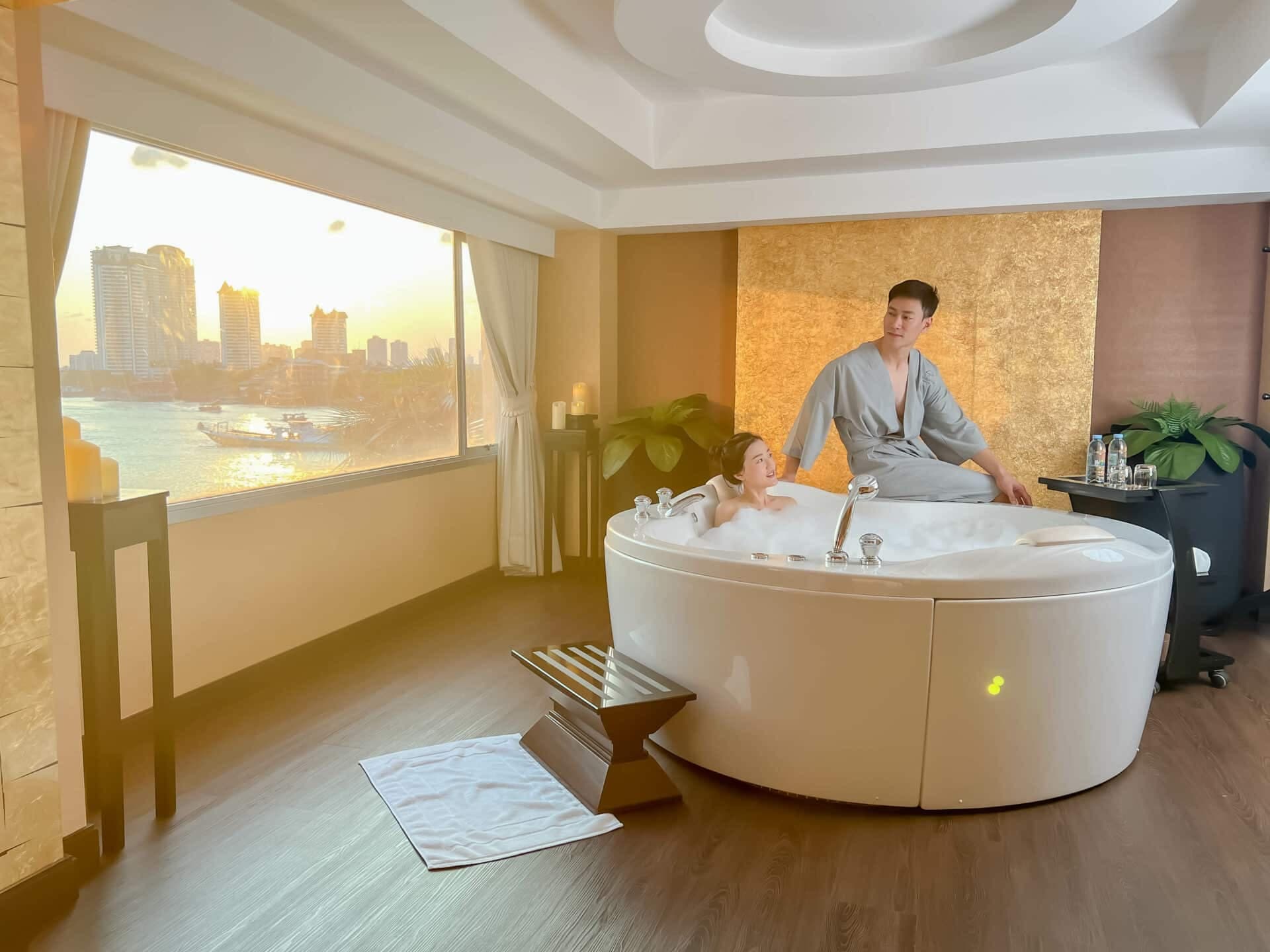
Street-level shophouses in Sukhumvit, Silom, Banglamphu and the old town charge 250 to 400 baht for sixty minutes. Neighbourhood spas with private curtained bays and air-con run 600 to 1,200. Hotel spas in five-stars sit anywhere from 2,000 to 3,500. The technique is surprisingly consistent across tiers; what you pay for is the room, the linens, the shower, and the silence. A 300-baht shophouse session from a Wat Pho graduate is often technically better than a 2,500-baht hotel session from a junior therapist.
How to spot a real shop
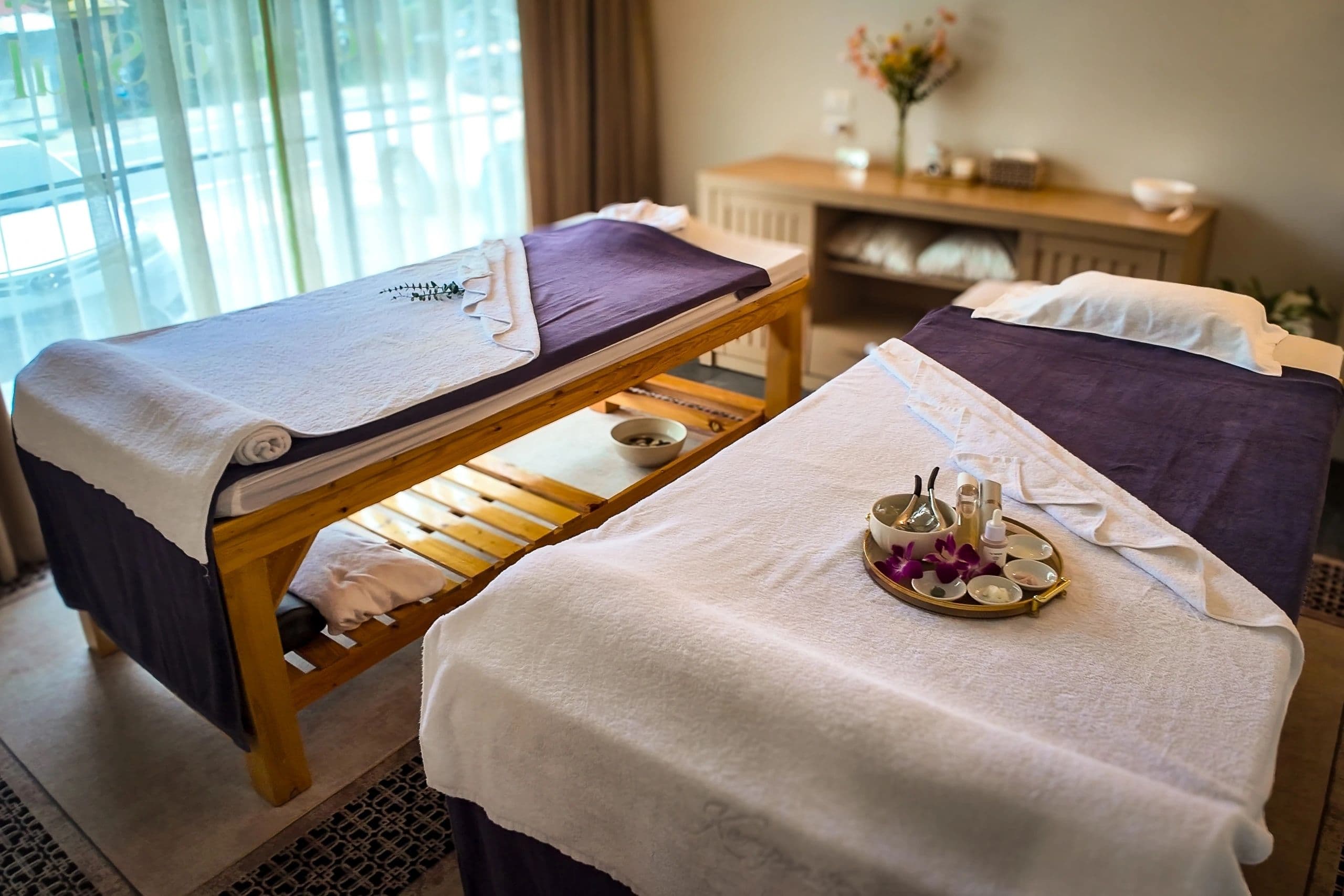
Real Thai massage shops are unglamorous. Look for cotton pyjamas folded on a shelf, futons on the floor rather than tables, an active local clientele in the late afternoon, and a printed menu in Thai and English with clear durations. Be wary of shops that aggressively beckon foreigners on the street, refuse to show prices, or quote in dollars. Anything advertising "special" or "VIP" service in the same window as therapeutic massage is mixing categories and is not what you want for a back you actually need fixed.
Etiquette
Tip 50 to 100 baht in cash, handed directly to the therapist at the end, not at the counter. Skip heavy meals in the ninety minutes before. Tell the therapist about injuries, recent surgeries, or pregnancy before you start, not halfway through. Phones go on silent. The other person in the room is also paying for quiet.
What to wear and bring
Wear something you can pull a pyjama over without ceremony. Leave valuables at the hotel; most shops have lockers but few have safes. Hydrate before, hydrate after. Plan a slow hour after the session before you commit to anything that involves walking long distances or being polite to anyone.
More field guides.
- Guide · 4 min read
Oil and Aromatherapy Massage in Thailand: What to Expect
The relaxation default for most travellers in Thailand. How oil massage differs from Thai work, what blends mean, what it costs, and how to pick a shop that takes the craft seriously.
- Guide · 4 min read
Foot Massage and Reflexology in Thailand: The Honest Guide
The thirty-minute reset most travellers underuse. How Thai-style foot massage differs from Chinese reflexology, where to find the good shops, and why it pairs perfectly with a long walking day.
- Guide · 4 min read
Day Spas in Thailand: When the Full Package Is Worth It
Half a day in a hotel spa, two hours in a converted teak house, or a quick steam-and-scrub between meetings. How to read a spa menu, what to skip, and where the real value sits.
- Guide · 5 min read
Nuru Massage in Thailand: A Traveller's Honest Primer
What nuru actually is, how it sits inside the wider Thai massage-parlour landscape, the legal grey area to understand, and how to behave like an adult if you decide to go.


Quick answers.
How long should my first Thai massage be?
Ninety minutes. Sixty feels rushed by the time the therapist reaches your shoulders. Two hours is great if you have time and a tight body, but ninety is the right default for a first session.
Will it hurt?
There will be moments of strong pressure and stretches that go further than you would push yourself. It should not feel injurious. Use bao bao to ask for less pressure at any time. Mild soreness the next day is normal; sharp pain during the session is not.
Do I need to book in advance?
Walk-ins are normal at street-level shops before 6pm. For neighbourhood favourites, hotel spas, and weekend evenings, call or LINE the same day. Wat Pho-affiliated schools should always be booked ahead.
Is tipping expected?
Not mandatory, but appreciated. Fifty to one hundred baht for a sixty-minute session at a budget shop, or roughly ten percent at higher-tier spas. Cash, handed to the therapist directly.
Can I get Thai massage if I am pregnant or injured?
Tell the shop before booking. Many therapists will decline first-trimester pregnancies and recent surgeries, which is the responsible answer. Specialist prenatal massage exists at mid-tier and hotel spas across Bangkok.